
Yamassee heritage.
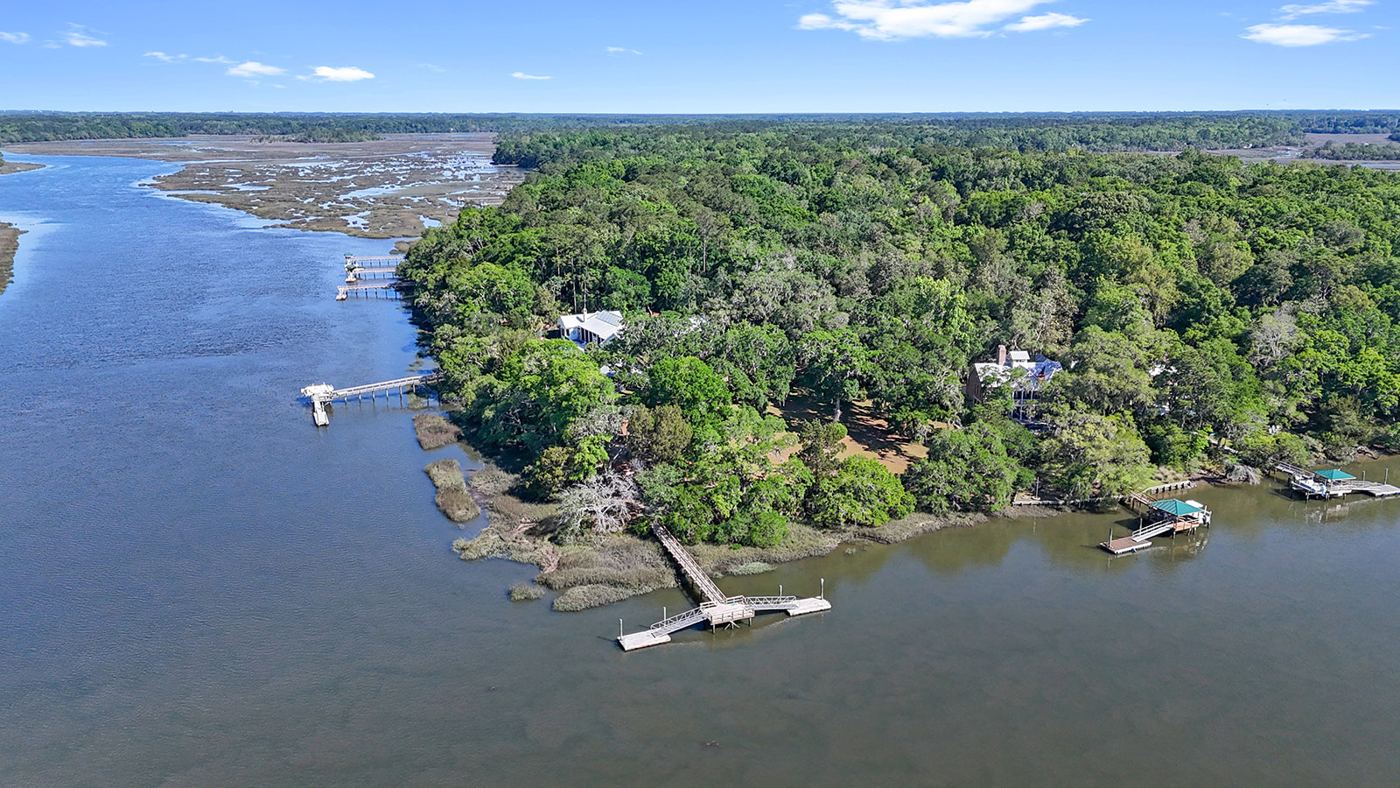
Before the modern community, this peninsula was part of a landscape lived in and shaped by Indigenous peoples. Archaeological work at Bull Point identifies a Yamassee occupation, described in the research documents as Yamasee, thought to be associated with Huspa Town.
Details & practical information
In his April 2, 2019 archaeological proposal, Dr. Eric C. Poplin of Brockington and Associates described the occupation and noted that the State Historic Preservation Office had determined the investigated site eligible for the National Register of Historic Places. This is evidence of the land’s cultural importance; eligibility is distinct from listing on the Register.
The archaeological record connects the community to people’s daily lives through recovered artifacts and plant remains. The 2019 proposal called for further laboratory and ethnobotanical analysis, a technical report, agency review, and permanent curation. The proposal reflects a commitment to understanding and preserving this heritage.
Source: Brockington and Associates, April 2, 2019 archaeological proposal.
Explore the interactive timeline →
A landscape with
a longer history.
Bull Point’s historical account places the land within the history of Tomotley Barony, a colonial land grant in Prince William Parish. It traces the Bull family’s regional presence to Stephen Bull’s arrival in Carolina in 1670 and connects William Bull’s 1729 land acquisition with Sheldon Plantation.
The community takes its name from William Bull. Nearby Old Sheldon Church and its ruins remain a connection to that regional history. The account also describes later associations with the Izard and Barnwell families and a 1913 conveyance to Mary McCurdy.
These accounts sit within a broader history of Indigenous peoples, colonial settlement, plantation agriculture, and enslaved people whose lives and labor shaped the Lowcountry. Some early surveys and ownership boundaries remain uncertain.
Preservation as a continuing responsibility.
The modern developers’ commitment to natural beauty and historical heritage was expressed through the community’s covenants and architectural review process. That philosophy continues in the relationship between homes, specimen trees, marsh edges, and shared landscapes.
“On behalf of all the developers, owners, and stewards who have shaped Bull Point over the decades, I want to personally welcome you—and thank the many who have worked tirelessly to make this community what it is today.”— Billy Gavigan